Navigating CBT & the Warehouse Receipt System (WRS) in Tanzania Cashew Trade
An essential breakdown of the Cashew Board of Tanzania (CBT) auction protocols, warehouse receipt mechanisms, and licensing rules.
Key Commercial Takeaways for Buyers
- ✓WRS guarantees that every auctioned cashew lot is physically weighed, graded, and stored in certified warehouses.
- ✓Online and open-cry auction protocols ensure transparent market price discovery.
- ✓Working with a licensed local enterprise guarantees compliant CBT bidding and swift documentation issuance.
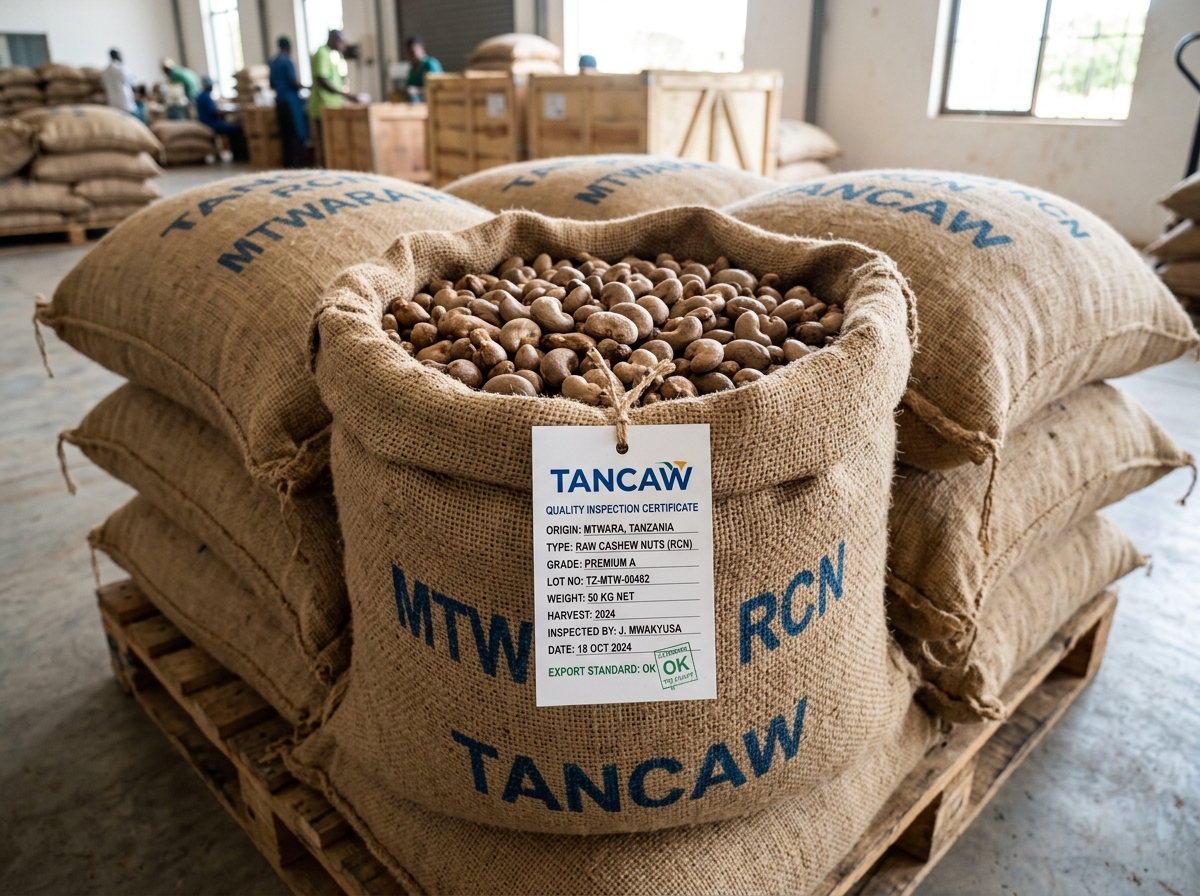
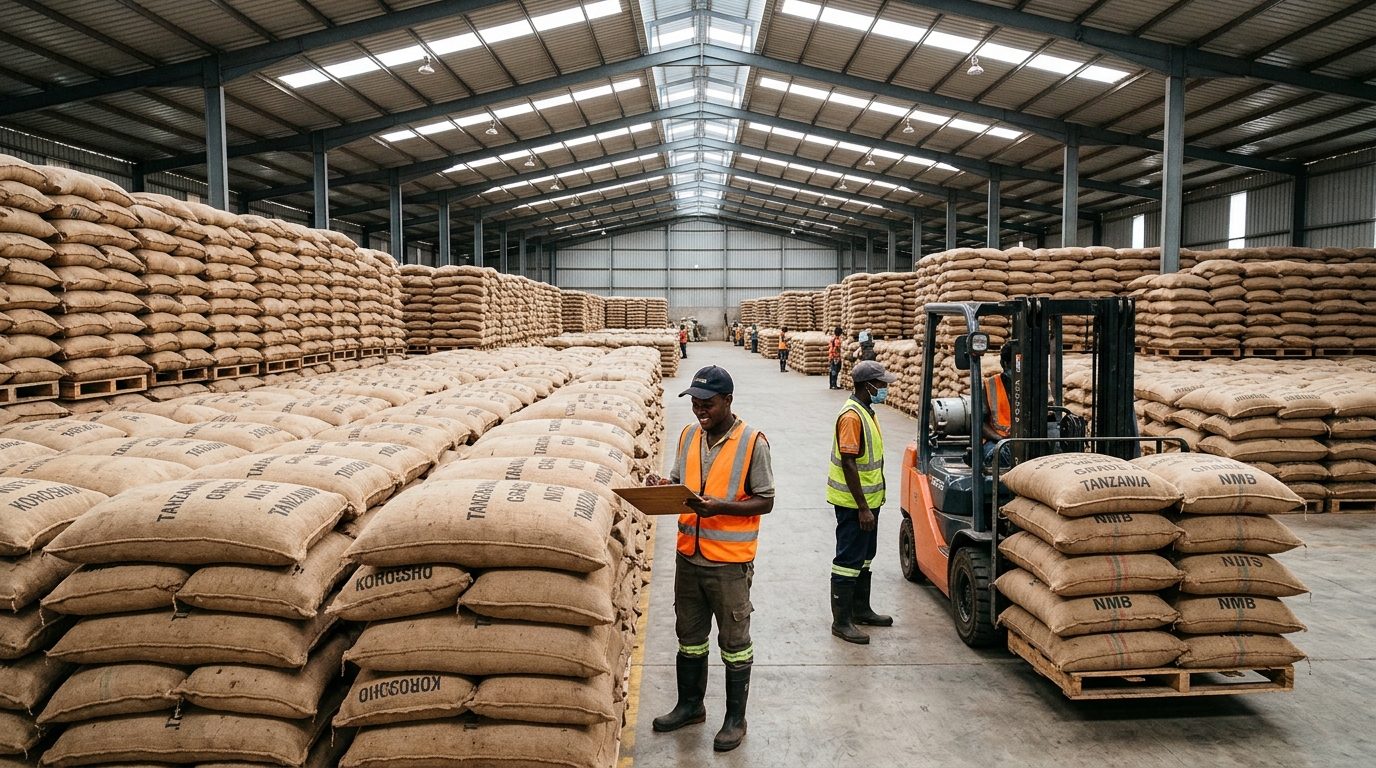
The Cashew Board of Tanzania (CBT) operates one of Africa's most transparent agricultural trading architectures: the Warehouse Receipt System (WRS). Designed to eliminate counterfeit lots and protect farmer incomes, WRS mandates that all raw cashews harvested by AMCOS co-operatives must be delivered to designated public warehouses.
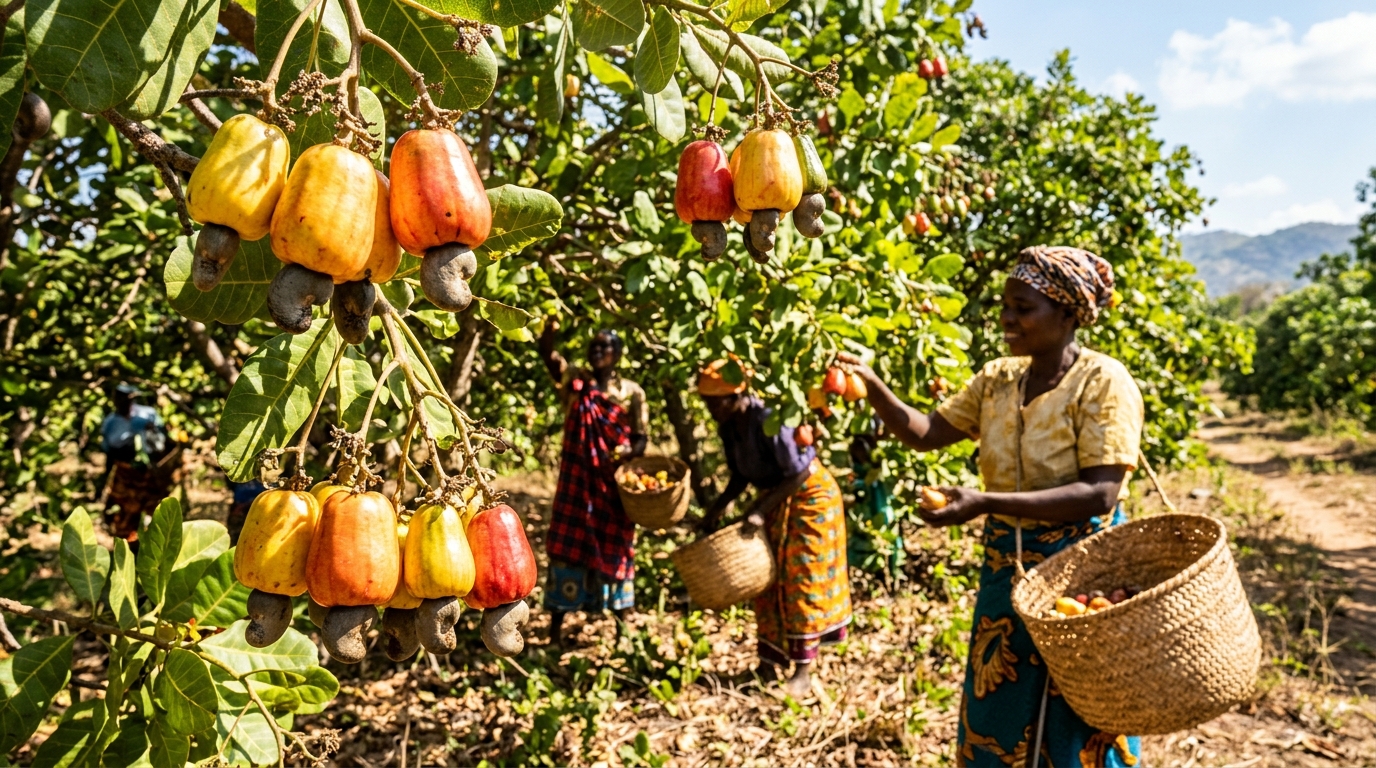
How the WRS Auction Cycle Operates: 1. Primary Aggregation & Sampling: Raw nuts arrive from farming belts and undergo random sampling by CBT licensed inspectors to determine Outturn (LBS), nut count, and moisture content. 2. Warehouse Receipt Issuance: A certified receipt is issued detailing the exact bag count, net weight, and grade classification. 3. Auction Bidding: Regulated auctions take place weekly during the peak season (October–January). Registered export entities bid for allocated lots with established bank guarantees. 4. Logistics & Clearance: Once lots are awarded, buyers execute swift transport orders to load directly at Mtwara or Dar es Salaam ports.
For international buyers, partnering with a vetted local exporter like Lush Trade Corp simplifies the bidding process and guarantees end-to-end regulatory adherence.
Request Export Specifications & Commercial Quotation
Lush Trade Corp Tanzania Limited coordinates verified allocations from Mtwara and Dar es Salaam with certified outturn, moisture control, and full export documentation for wholesale buyers worldwide.